How To
How to create compelling topics for thought leadership articles
How MVPR builds thought leadership topic lists that earn coverage — using a structured interview process that surfaces the angles journalists actually want.
Tom Lawrence
July 2024 · 4 min read
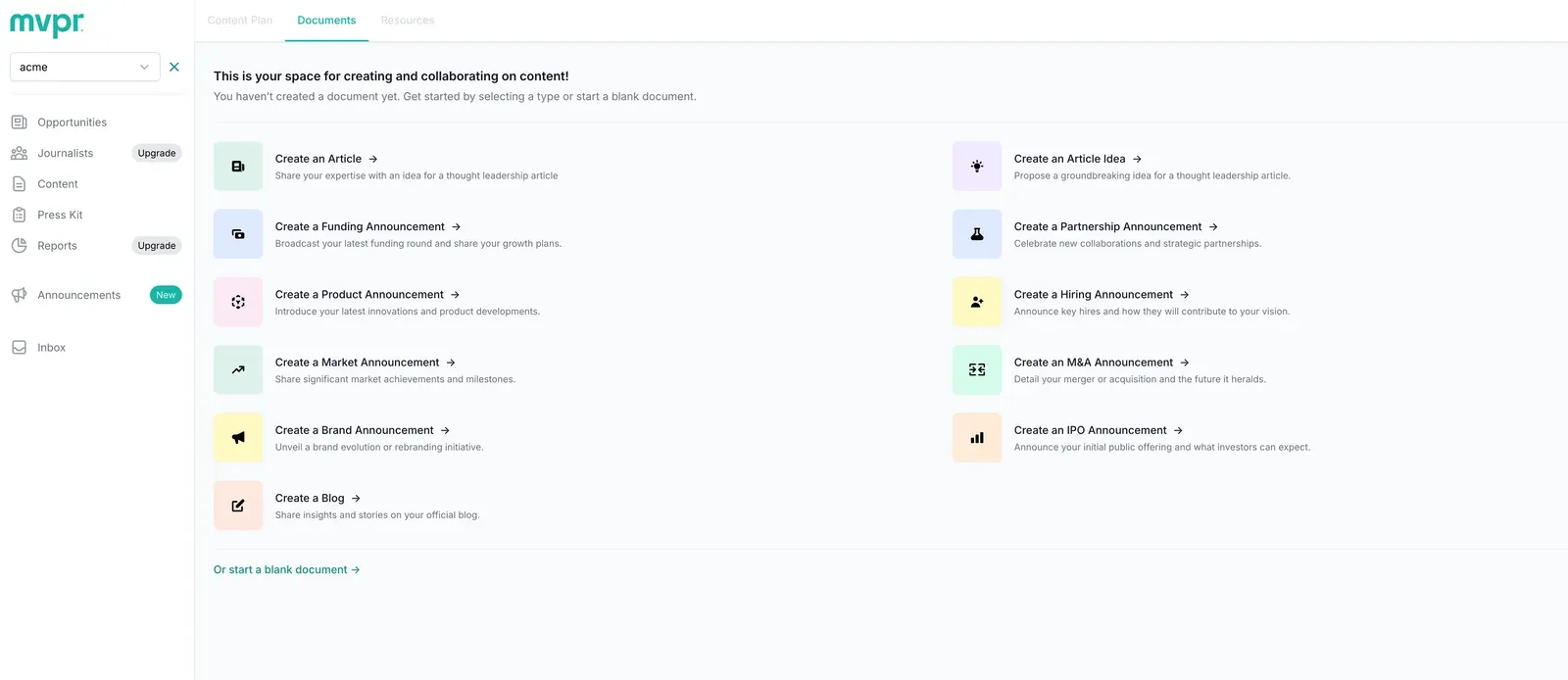
When companies onboard onto MVPR, we always start by interviewing them against the same set of 9 questions.
These are the questions that we’ve found are the best at extracting differentiated insights that we can turn into newsworthy thought leadership.
40+ years of PR experience distilled into 9 questions that we have used across hundreds of companies:
- What was your leadership team’s Eureka moment?
- Did you have prior experience in this industry? Give us some details!
- What is it about your USP or way of working that makes clients choose you over competing solutions?
- How do you see yourself influencing the industry that you’re in long term?
- What are the key challenges your industry is facing that you can help solve better than competitors?
- What is your favourite story to tell about your business?
- What kind of data or insights does your company collect which could tell an interesting story about your company’s market opportunity?
- What never seems to get covered by the media, yet is an interesting development or challenge for your sector?
- What is one controversial or contrarian insight that you or your team holds about your industry?
Related posts
How To
How to Do PR for Startups: A Practical Guide (2026)
A practical guide to doing PR for startups in 2026 - no agency needed. Target the right publications, pitch journalists cold and build consistent coverage.
How To
Best PR Agencies for Startups (2026)
We reviewed the top PR agencies for startups in 2026. Compare pricing, specialisms, and approach to find the right fit for your stage and budget.

How To
8 rules to writing media-friendly thought leadership articles
8 rules for writing thought leadership that editors actually want — compiled from Sifted and TechCrunch op-ed guidelines, plus MVPR’s own editorial standards.